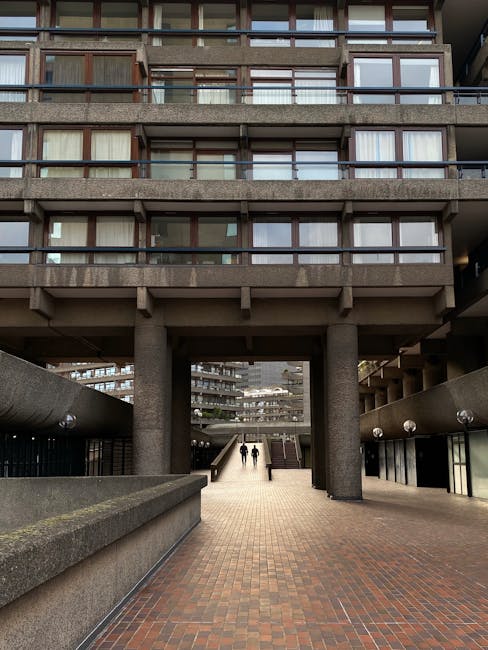
Barbican station moving day access for removals teams: a practical guide for smoother EC2 moves
If you are planning a move around Barbican station, access can make or break the day. Barbican station moving day access for removals teams is not just about getting a van nearby; it is about timing, loading points, estate rules, narrow streets, lifts, permits, and the kind of small logistical details that suddenly feel very large when a sofa is halfway out the door. Truth be told, that is where many moves go sideways.
This guide breaks down what access really means in the Barbican area, why it matters so much, and how removals teams can plan around the realities of EC2. Whether you are moving out of a flat, relocating an office, or handling a same-day job, you will find the practical steps, common mistakes, and useful checks that help the day run properly rather than chaotically. A lot smoother, anyway.
Why Barbican station moving day access for removals teams Matters
Barbican is one of those London locations where the map looks easier than the real thing. On paper, the station sits in a central, well-connected part of the City. On the ground, removals teams often face a mix of narrow approaches, busy roads, timed access windows, controlled loading space, and building-specific rules that can change the whole moving plan.
That is why access matters so much. A removals crew might have the right size van and plenty of manpower, but if they cannot stop safely, cannot unload close enough, or cannot get equipment to the entrance, the move slows down fast. You feel it in the clock, in the lifting, and in the stress level. Nobody wants to carry boxes an extra hundred metres while traffic queues behind them. Not ideal.
For residents and businesses around Barbican station, access planning is not a luxury. It is part of the move itself. Good access planning helps with:
- reducing delays caused by parking or loading restrictions
- protecting bulky items from unnecessary handling
- keeping the crew and the public safer during loading
- avoiding disputes with building management or neighbours
- making sure the vehicle, route, and timing all line up
It also matters for the type of service you book. A company offering man and van support may be ideal for smaller moves or partial loads, while a larger job might need a full removals setup or even a specialist commercial moves arrangement. The right access plan helps the job match the vehicle, not the other way around.
How Barbican station moving day access for removals teams Works
In practical terms, access planning starts before the vehicle even arrives. A removals team usually needs to understand where they can stop, how long they can stay, whether a permit or suspension is in place, and how far items must be carried between the property and the van.
For Barbican station moves, that often means looking at a few layers at once:
- Street access: Can the van reach the property without hitting low bridges, width restrictions, bus-only sections, or unsuitable turning points?
- Kerbside access: Is there a legal place to load and unload near the entrance?
- Building access: Are there lifts, service entrances, porter arrangements, or time slots for moving?
- Item access: Are the stairs tight, corners awkward, or corridors too narrow for large furniture?
- Timing: Does the move need to avoid commuter peaks, office busy periods, or restricted hours?
When a removals team understands all five, the day tends to feel calmer. The crew can arrive with the right vehicle size, enough hands, and the right tools. That might mean a smaller van for quicker street access, a larger van with protective blankets for heavier furniture, or a stepped plan if the building has a strict loading slot. No drama. Or at least, less of it.
Many Barbican properties are also sensitive environments. Some are residential buildings with managed access, others are offices, studios, or mixed-use spaces. So the workflow can look a little different from a standard suburban house move. A team may need pre-arranged entry, a lift booking, or a specific route through the building. If waste or unwanted furniture needs removing as well, some movers can combine the job with furniture pick-up or coordinate with broader disposal planning such as recycling and sustainability practices.
Key Benefits and Practical Advantages
There is a reason experienced teams spend time on access planning. It saves effort, yes, but it also improves the whole quality of the move. Small difference? Maybe. But on moving day, small differences are everything.
| Better access planning | What it changes | Why it helps |
|---|---|---|
| Shorter carry distance | Items move from door to vehicle faster | Less fatigue, less risk of knocks and drops |
| Clear parking strategy | The van stops legally and efficiently | Fewer interruptions from enforcement or traffic flow |
| Building-specific coordination | Lifts, entrances, and timings line up | Less waiting around in lobbies or corridors |
| Right-sized vehicle selection | The vehicle matches the street and load | Better manoeuvrability and fewer return trips |
| Safer loading and unloading | Fewer rushed lifts and awkward handling | Better protection for people and possessions |
There is another benefit people sometimes overlook: peace of mind. If you have already dealt with keys, cleaners, deposits, or office handover deadlines, knowing the removals team has access under control can be a genuine relief. You do not have to stand at the kerb worrying whether the van can get closer, or whether the building manager will object halfway through the load.
For businesses, access planning can also help protect trading time. A well-run move around Barbican station can mean less disruption to staff, lower downtime, and a smoother handover at the destination. For domestic moves, it can simply mean less chaos on a day when the kettle is usually packed first by mistake.
Who This Is For and When It Makes Sense
Barbican station moving day access is relevant to a wide range of movers, not just one type of customer. If your property is near the station, inside the Barbican estate, or in the surrounding EC2 streets, access planning should be part of your move from the start.
It makes particular sense for:
- flat moves in managed residential blocks
- office relocations with time-sensitive access needs
- moves involving large furniture, art, or fragile items
- same-day or short-notice moves where timing is tight
- clients with no lift, limited parking, or difficult staircases
- anyone moving during busy weekday periods near central London
If you are relocating from one of the nearby towers or estate blocks, the access question becomes even more important. For example, a move that looks simple on a booking form can become much more complex once you factor in lifts, service entrances, and internal routes. That is why local knowledge matters. A team familiar with Barbican flat moves or narrow staircase moves is usually better placed to judge what is realistic.
It also makes sense if you are comparing removal types. Sometimes a focused man with van removal is enough for a lighter load. Other times you need fuller support, especially where the building access is awkward or there are multiple heavy pieces. There is no prize for booking too small a vehicle and then discovering the sofa will not fit. A familiar story, unfortunately.
Step-by-Step Guidance
Here is the simple version of how to plan Barbican station access without overcomplicating your life.
- Check the exact collection and delivery points. Know which entrance you are using, where the van can stop, and whether there is a better route for the crew than the one you first imagined.
- Confirm building rules early. Ask about lift bookings, moving hours, protection requirements, and any estate or concierge procedures. Do not leave this until the night before. That way lies stress.
- Think about vehicle size. A smaller van can be easier on tight streets, but a larger vehicle may reduce trips. Balance road access with load capacity.
- Plan the carry distance. Measure the gap from the door to the loading point. Even a short extra walk affects time when there are heavy wardrobes or stacks of archive boxes.
- Prepare bulky items properly. Disassemble where needed, secure drawers, protect corners, and label anything delicate. If packing is already wearing you down, support from packing and unpacking services can be a sensible move.
- Time the move carefully. Earlier starts often help around central London, especially where traffic, deliveries, and commuter movement can pile up quickly.
- Keep the removals team informed. If the route changes, the lift is out, or the parking spot becomes unavailable, say so immediately. Silence is not helpful here.
A good removals team will also build in a little flexibility. In practice, access around Barbican station can shift with roadworks, event traffic, or temporary suspensions. The best operators do not just quote and hope; they anticipate small changes and make room for them.
If you are working to a fixed deadline, especially for office handovers, a coordinated plan with a provider of office relocation services can reduce the risk of last-minute scrambling. For home moves, a broader service such as home moves may give you enough support to keep the day moving, literally.
Expert Tips for Better Results
After enough London moves, a few practical truths become obvious. The first is that access is rarely just about the road. The second is that a tiny bit of preparation can save a huge amount of effort. The third? People often underestimate how tiring short, repeated carries can be. It adds up.
- Photograph the access point before moving day. A quick photo of the entrance, road position, and any low barriers can help the removals team prepare properly.
- Use colour-coded labels. It speeds up unloading and reduces confusion when the team is under pressure.
- Protect the route inside the building. Floors, corners, and lift interiors are the pinch points. Simple coverings and careful handling make a noticeable difference.
- Keep the most important items separate. Documents, keys, chargers, medication, and a first-night bag should not disappear into the back of the van.
- Book earlier than you think you need to. Especially if the move is time-sensitive, same-day, or near a busy transport hub.
One thing local movers often notice around Barbican is that good communication wins. A short message about a tight corner, a loading bay restriction, or a lift that is only available for ten minutes can change the whole pace of the job. It sounds obvious, but honestly, it is amazing how often that detail is missing.
For heavier or awkward items, it can be worth checking whether the provider has the right moving equipment and insurance support. The difference between a tidy, calm carry and a stressed scramble is often just preparation and the right kit. A service page such as insurance and safety should give you a sense of how the operator thinks about risk, not just transport.
Common Mistakes to Avoid
Moving near Barbican station is manageable, but there are some classic mistakes that can turn a sensible plan into a long afternoon.
- Assuming the van can stop right outside. Central London access is rarely that neat. Always have a backup stopping point.
- Ignoring building booking rules. Some properties need notice, slot confirmation, or lift protection. Skipping this can cause delays before the first box moves.
- Choosing a vehicle that is too large for the route. Bigger is not always better if the street is tight or turning space is awkward.
- Underestimating loading time. One wardrobe, fine. Six floors, two flights, and a piano? That is a different sort of day.
- Not checking road restrictions. Temporary suspensions, works, or event-related limits can change access in ways that catch people out.
- Leaving waste until the end. If broken furniture or excess items are going too, plan that separately rather than treating it as an afterthought.
There is also the "I'll just sort it on the day" approach. To be fair, that sounds flexible. In reality, it often means standing on the pavement with a set of keys in one hand and a mild headache in the other. Better to have a plan.
If you expect an unusually tricky route, reading up on local operational advice can help. Pages such as road closures and parking suspensions for Barbican moves and permit and fee considerations are useful background before the day arrives.
Tools, Resources and Recommendations
You do not need a warehouse full of kit to manage a Barbican move, but the right tools make access easier and safer. For a typical removals team, the basics include protective blankets, trolleys, straps, floor protection, and a sensible vehicle layout. That said, the best tool is still clear planning. It sounds dull. It works.
Helpful resources and preparations include:
- A floor plan or quick sketch of the property and loading route
- Item inventory so the team knows which pieces are bulky, fragile, or awkward
- Building contact details for the porter, manager, or reception team
- Parking and access notes with time windows and restrictions
- Packing materials for protecting surfaces and contents
For anyone still decluttering before the move, a pre-move tidy can save real time. If that is where you are at, the guide on pre-move decluttering hacks is worth a look. It is a small step that often makes the access side easier too, because fewer items mean fewer trips and less lifting.
And if you are juggling furniture, waste, and tight timings in one go, some people choose to combine the move with a planned disposal or removal services package. That can simplify things. Not always, but often enough to matter.
Law, Compliance, Standards, or Best Practice
For moves around Barbican station, compliance is mostly about being sensible, respectful, and aligned with normal UK removals practice. You may need to follow building rules, loading restrictions, parking controls, and site-specific access arrangements. If the move affects shared spaces or public highways, the plan should respect those conditions rather than hoping for the best.
In practical terms, the safest approach is to treat the move as a coordinated operation:
- confirm whether a loading bay or legal stopping place is required
- check whether your building needs advance notice or bookings
- use appropriate lifting and handling methods for heavy or awkward items
- make sure insurance, safety, and responsibility are clear before the day
- avoid obstructing pedestrians, residents, or traffic unnecessarily
Best practice also includes decent communication with neighbours and building staff. A simple heads-up can prevent a lot of tension, especially in shared developments where everyone notices the lift being busy or the corridor being blocked. Nobody enjoys surprises at 8:00 a.m. with a mattress in the lobby.
Where waste is involved, handle it properly. If items are being disposed of after the move, check that the team or service provider is clear about what can be removed, where it goes, and whether recycling is part of the plan. A useful background page is what EC2 residents must know about removal waste rules. It is not glamorous, but it matters.
Options, Methods, or Comparison Table
Not every Barbican move needs the same setup. The right method depends on distance, load size, access conditions, and how quickly you need the job done. Here is a simple comparison that can help you decide.
| Method | Best for | Strengths | Watch-outs |
|---|---|---|---|
| Man and van | Smaller residential moves, single-room loads, lighter furniture | Flexible, practical, often quicker to arrange | May require more careful load planning for larger items |
| Full removals service | Whole-home moves, bulky furniture, more complex access | More support, better handling, usually better for larger jobs | Needs more coordination and may cost more overall |
| Commercial move setup | Offices, studios, and business relocations near Barbican station | Designed for deadlines, equipment, and business continuity | Requires clear planning and access sign-off |
| Self-managed move | Very small loads or highly flexible movers | Control over timing and packing decisions | Higher risk of delays, heavy lifting strain, and access mistakes |
In many Barbican situations, the real choice is not between "cheap" and "expensive." It is between "properly planned" and "slightly optimistic." And optimism is lovely, but not when a van is waiting, a lift is booked, and your wardrobe is one inch too wide.
Case Study or Real-World Example
Consider a fairly typical Barbican flat move on a weekday morning. The property is a two-bedroom apartment near the station, with one lift, managed access, and a short street loading window. The client has a mix of boxes, a dining table, a sofa, and a couple of heavy storage units.
At first glance, it looks straightforward. But once the team checks the route, a few things become clear: the nearest legal stopping point is not directly outside, the lift must be reserved, and one storage unit will need to be carried at an angle through a tight internal corner. Nothing impossible. Just not casual, either.
The difference came from preparation. The client confirmed access in advance, the removals team arrived with protective covers and trolleys, and the load was staged in the right order. The van parked once, the most awkward furniture went out first, and the lift booking was used efficiently. The whole move still took concentration, but it avoided the most common stress points: waiting, re-handling, and guesswork.
That is the main lesson. Around Barbican station, successful moving day access usually comes down to a chain of small correct decisions. One well-made choice does not save the day on its own, but together they keep the job moving. Quite literally.
Practical Checklist
Use this simple checklist before moving day. It is not fancy, but it is effective.
- Confirm the exact moving date and time window
- Check building access rules, lift bookings, and entry procedures
- Identify the legal loading or stopping point near Barbican station
- Measure or estimate carry distance from property to vehicle
- List any bulky, fragile, or unusually heavy items
- Book the right vehicle size for the route and load
- Prepare packing materials, labels, and protective coverings
- Keep keys, documents, chargers, and essentials separate
- Tell the removals team about any stairs, narrow corridors, or awkward turns
- Have a backup plan if parking or access changes on the day
Quick expert summary: if you get the access plan right, the rest of the move becomes far easier. If you get it wrong, even a short move can feel longer than it should. That is really the heart of it.
Get a free quote today and see how much you can save.
Conclusion
Barbican station moving day access for removals teams is one of those subjects that sounds narrow until you are in the middle of the move. Then it becomes the whole story. Parking, loading, building entry, vehicle size, and timing all shape how smoothly the day goes. Get those parts aligned and the move feels organised. Miss them, and everything gets harder than it needs to be.
The good news is that access planning is controllable. With early checks, clear communication, and the right kind of removals support, even a tricky EC2 move can be handled calmly. Not perfectly, maybe. Moving never is. But properly, yes - and that makes all the difference.
Take your time with the details, trust the planning, and give yourself a bit of breathing room. Future-you will be very grateful, probably with a cup of tea in hand and no boxes blocking the hallway.
Frequently Asked Questions
What does Barbican station moving day access for removals teams actually mean?
It refers to the practical access arrangements a removals team needs in order to load or unload safely near Barbican station. That includes parking, loading space, building entry, lifts, timing, and the route between the property and the vehicle.
Why is access such a big issue around Barbican station?
The area has central London traffic, managed buildings, and streets that are not always easy for large vehicles. Access problems can add time, increase handling, and make the day much more stressful if they are not planned properly.
Should I book a smaller van for a Barbican move?
Sometimes, yes. A smaller van can be easier to position on tighter streets and may be better for shorter carry distances. But if your load is large, you may need a bigger vehicle to avoid multiple trips. It is a balancing act.
Do removals teams need building permission to move items?
In many managed buildings, yes, or at least advance notice and a booked slot. Some buildings also require lift reservations or specific moving procedures. It is always best to check with the building manager before the day.
How early should I plan access for a move near Barbican station?
As early as possible. Ideally, confirm access details as soon as the moving date is known. Waiting until the last few days can leave you with fewer vehicle or slot options, especially during busy periods.
What should I tell the removals company before moving day?
Tell them the exact address, the type of building, lift availability, any staircase issues, parking restrictions, carry distance, and whether you have bulky or fragile items. The more accurate the detail, the better the plan.
Can I combine removals with furniture disposal?
Often you can, provided the company offers that service and the items are suitable for removal. It is worth confirming in advance, especially if you need disposal to happen at the same time as the move.
What happens if parking is unavailable on the day?
A good team will usually have a backup approach, but delays can happen. That is why it helps to know alternative stopping points and to keep contact open in case the crew needs to adjust the plan quickly.
Is Barbican station access more difficult for office moves or home moves?
Both can be tricky, just in different ways. Office moves often need tighter scheduling and equipment handling, while home moves may involve lifts, staircases, and furniture protection. The level of access planning is important in either case.
What if my flat has no lift?
Then the removals team needs to know early. Stairs can significantly affect timing, crew size, and the handling plan. It is manageable, but it should never be a surprise on moving day.
How can I make a Barbican move faster?
Prepare in advance, label boxes clearly, disassemble bulky furniture where possible, book the right vehicle, and confirm access details early. Small efficiencies really do stack up on the day.
Are there safety concerns with moving near the station?
Yes, mainly related to traffic, pedestrian movement, lifting heavy items, and keeping access routes clear. Safe handling and good communication are the simplest ways to reduce risk.
Where can I learn more about pricing and service options?
You can review service details and planning information on the site, including pricing and quotes, which can help you compare options before you book.