Moving in listed Barbican buildings: compliance essentials
Posted on 29/07/2026
Moving into a listed Barbican building is never just a normal relocation. There are access rules, protection requirements, timing limits, and a fair amount of coordination to get right before the first box even leaves the van. If you are planning a move in one of these buildings, Moving in listed Barbican buildings: compliance essentials is the difference between a calm move day and a headache that starts at 7:30 in the morning.
The good news? Once you understand the compliance basics, the process becomes much more manageable. You will know what to ask the building manager, what to check before booking your move, and how to avoid the mistakes that tend to cause damage, delays, or avoidable friction with neighbours and management. This guide walks you through the practical essentials in plain English.
Quick takeaway: In listed Barbican buildings, compliance is about more than paperwork. It covers access permissions, protecting historic fabric, lift and corridor use, parking or unloading arrangements, waste handling, and making sure your moving plan respects both the building and the wider local area.

Why Moving in listed Barbican buildings: compliance essentials Matters
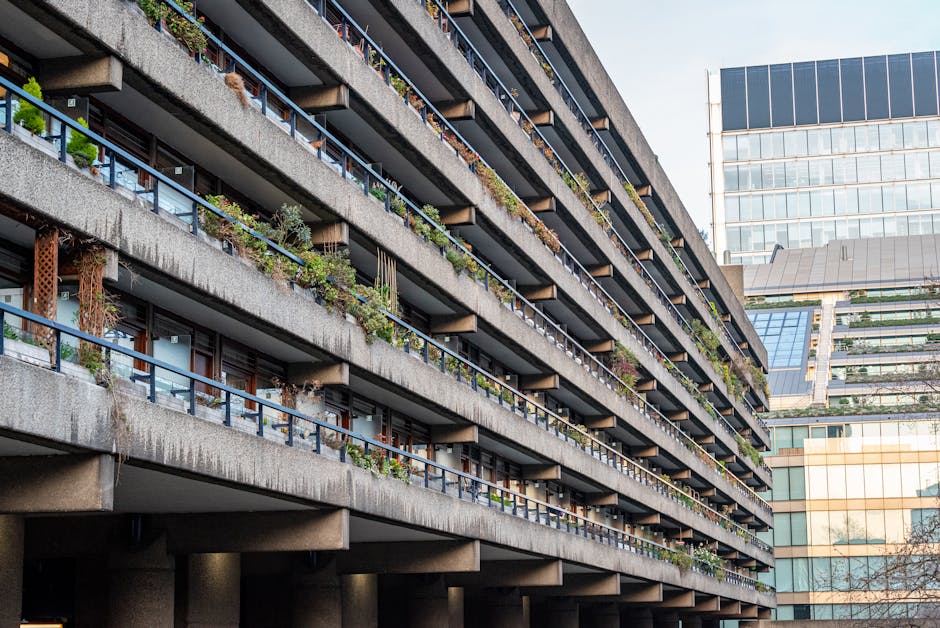
Barbican properties are not ordinary blocks. They sit within a highly distinctive architectural environment, and that means the building itself often carries sensitivities that need to be respected during a move. In practice, this can affect everything from where a removal van can wait, to how furniture is wrapped, to whether protective coverings are needed in communal areas. It can even influence the order you move items in.
Why does that matter so much? Because listed buildings are typically protected from avoidable wear and alteration. A scuffed stair edge, a cracked wall corner, or an overlong loading stop might seem minor in a standard apartment block. In a listed setting, though, those little issues can create bigger problems with management, neighbours, or insurance. And nobody wants a move day turning into a dispute over a corridor dent, let's be honest.
For Barbican residents, compliance also matters because the area is busy, access can be tight, and movement often needs to be timed carefully. That is before you even think about parking suspensions, lift bookings, or the practical reality of carrying large items through narrow routes. If you want a move that feels controlled rather than chaotic, the rules are not the enemy. They are the framework.
You may also find it useful to read about broader move planning in this practical move planning guide and the article on packing hacks for a hassle-free relocation. They complement the compliance side very well.
How Moving in listed Barbican buildings: compliance essentials Works
The compliance process usually starts before moving day, not on it. In a well-run move, you are checking building rules, arranging access, understanding the route, and confirming what protection is needed for common areas. If there is a concierge, estate office, or property manager involved, they often become part of the moving plan.
Here is the practical shape of it:
- Review building instructions early. Look at move-in windows, booking requirements, lift availability, and any restrictions on contractors or vehicles.
- Confirm access routes. Check entrance points, service lifts, stair widths, corridor turns, and whether any areas need temporary protection.
- Plan vehicle loading and unloading. In Barbican, that can include parking limitations, time-specific unloading, or advance permission for a larger vehicle.
- Protect the building fabric. Door frames, floor surfaces, lift interiors, and wall corners may need blankets, covers, or edge protection.
- Prepare your items properly. Good packing reduces the risk of breaks, but it also makes handling safer in tight spaces.
- Coordinate timing with neighbours and management. This keeps noise and disruption down, which matters more in a shared residential environment than people sometimes realise.
In some buildings, compliance is quite formal. You may need a booking reference, an approved moving slot, or proof of insurance before you can begin. In others, the process is simpler but still guided by common-sense protections. Either way, the pattern is similar: ask first, move second.
If your move involves heavy or awkward items, it is worth reading guidance on lifting heavy objects safely and practical advice on kinetic lifting techniques. The handling side and the compliance side really do overlap.
Key Benefits and Practical Advantages
People often see compliance as extra admin, but in a listed Barbican building it delivers some very real advantages. A careful, rule-aware move is usually faster in the long run, less stressful, and far less likely to trigger costly damage claims or last-minute delays.
- Fewer access problems: If you pre-book lifts and loading windows, you are less likely to arrive with a van and nowhere to unload.
- Lower damage risk: Protective measures reduce the chance of marking historic finishes or communal areas.
- Better neighbour relations: A controlled move is quieter, tidier, and more considerate. That matters in close-knit buildings.
- Smoother insurance position: If anything goes wrong, having followed the building process helps show you acted responsibly.
- Less wasted time: A well-planned move avoids the awkward pause where everybody stands in a corridor wondering who is supposed to open what. We have all seen that happen.
There is also a mental benefit that is easy to overlook. Once you know the rules and the route, the whole day feels lighter. You are not guessing. You are not improvising. You are simply working through a plan.
For a broader view of move-day efficiency, you may want to explore how to leave a home in immaculate condition, especially if you are moving out of a listed flat and need to return the space properly.
Who This Is For and When It Makes Sense
This guide is for anyone moving into, within, or out of a listed Barbican building. That includes long-term residents, new leaseholders, tenants, students, professionals relocating for work, and anyone handling furniture-heavy or time-sensitive moves in the EC2 area.
It makes particularly good sense if any of the following apply:
- you are moving during a restricted time window
- your route involves stairs, narrow turns, or lift protection rules
- you have bulky furniture such as sofas, beds, wardrobes, or a piano
- you need a van parked close to the building for a short loading period
- the building manager requires notice, insurance, or booking confirmation
- you are trying to avoid complaints from neighbours or damage to shared surfaces
It is also relevant if you are organising a last-minute move. In a panic, people often think compliance can be handled on the fly. Sometimes it can't. If the building requires prior approval, that deadline is real. A small delay in paperwork can become a much bigger delay at the front door.
Students and short-let movers should pay close attention too. A smaller move can still cause the same access issues if it happens at the wrong time or with the wrong vehicle. If you are moving quickly, this last-minute moveout guide may be useful.
Step-by-Step Guidance
A sensible compliance-first move in a listed Barbican building usually follows a sequence. Keep it simple and you will be in a much better place.
1. Start with building rules
Ask for the latest move guidance as soon as the move date is known. Do not rely on memory, and definitely do not assume last year's arrangements still apply. Building policies change, and sometimes the smallest detail is the one that matters.
2. Measure the route
Check door widths, lift dimensions, turning points, and any awkward landings. If you have a sofa or bed frame, compare its packed dimensions with the route. A few centimetres can decide whether a move is straightforward or a full-scale puzzle.
3. Book access and vehicle space
Reserve your lift or loading bay if required. If parking or unloading space needs permission, sort it early. In the Barbican context, timing can be more important than distance. A van ten metres away can be easier than one right outside if the rules are clearer.
4. Prepare protection materials
Use blankets, corner guards, floor runners, and door protection where needed. Historic interiors and shared hallways deserve a bit of respect. It is one of those things that makes everyone's life easier.
5. Pack for handling, not just storage
Label boxes clearly and avoid overpacking. If items are easier to grip and stack, the move is safer and quicker. You will notice the difference immediately once the first box is lifted.
6. Brief everyone involved
Make sure helpers or movers know the access plan, the stop/start points, and what to do if something doesn't fit. A five-minute briefing can save twenty minutes of confusion.
7. Walk the route again before the first load
Sounds obvious, but people skip this all the time. One final check catches wet floors, blocked paths, or a lift that is still in use. Better to spot it early than when a wardrobe is halfway through a doorway.
If your move includes a mattress or other awkward bedroom item, these bed and mattress moving tips can help reduce the risk of damage and awkward lifting.
Expert Tips for Better Results
Here are the little things that tend to separate an acceptable move from a genuinely smooth one.
- Use the quietest practical time slot. Early enough to avoid traffic, but not so early that you upset the whole building. Timing matters.
- Pack by room and access order. Keep the first items you need near the door and the most awkward items where they are easy to reach.
- Wrap corners properly. Many marks happen on corners, not flat surfaces. It is a boring detail, but a useful one.
- Leave space around the entrance. Boxes stacked too tightly near the doorway create trip hazards and slow everything down.
- Use the right vehicle size. Too small and you make multiple runs. Too large and you may create access or parking problems.
- Have a spare plan for oversized items. Sometimes a bed base or wardrobe needs to be dismantled, and that is fine. It is not a defeat. Just practical.
One other thing: if you are moving specialist items, do not wing it. A piano, for instance, is exactly the sort of object that can go from "manageable" to "why did we do this ourselves?" very quickly. There is a reason people seek professional guidance on moving a piano safely.
And if you want to protect your move from start to finish, it may help to look at how to store a sofa safely for the long term when items need to be held temporarily.
Common Mistakes to Avoid
Most problems in listed-building moves are not dramatic. They are ordinary, preventable mistakes that snowball.
- Leaving permissions until the day before. That is how you end up scrambling for approvals or missing a booking slot.
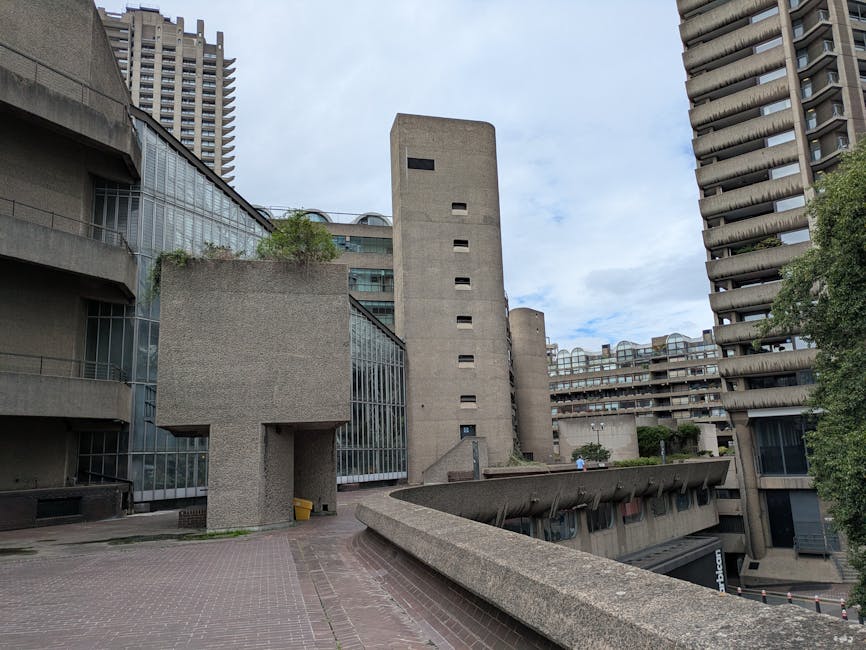
- Assuming access is obvious. Barbican layouts can be surprisingly specific. What looks simple on paper may not be simple on the ground.
- Skipping protection for common areas. Even one scrape in a corridor can cause avoidable friction.
- Overloading helpers. A couple of extra boxes can turn a safe lift into a clumsy one. Truth be told, that's where people hurt themselves.
- Not separating waste from belongings. If rubbish and reusable items are mixed together, disposal becomes slower and sometimes non-compliant.
- Ignoring local loading or parking realities. A van cannot just pause wherever is convenient. The street has its own rules.
Another mistake is treating compliance as only an office task. It is not. The person carrying the box, the person booking the van, and the person managing the building all need the same plan. Otherwise somebody, somewhere, is guessing.
For disposal and end-of-move organisation, bulky furniture disposal options near Barbican and EC2 removal waste rules explained are worth a look.
Tools, Resources and Recommendations
You do not need a van full of specialist kit, but a few items make listed-building moves much easier.
- Felt blankets or furniture pads: For wrapping large items and protecting finishes.
- Corner guards: Helpful for doorways and sharp edges in tight corridors.
- Floor runners: Useful where floors are delicate or slick underfoot.
- Strong tape and labels: Labeling helps with stacking, room placement, and quicker unloading.
- Ratchet straps or tie-downs: Keep items stable in the van, especially on short urban trips where braking can be frequent.
- Toolkit: A basic set is handy for dismantling beds, tables, or shelving if needed.
For practical help beyond the building itself, this site's own resource on health and safety policy is a useful reference point for how a responsible mover approaches risk. You may also find insurance and safety information reassuring if you are choosing who should handle the job.
If you are deciding how much help you actually need, compare your move against the options for man with a van support, man and van assistance, or fuller removal services in Barbican. The right choice depends on your access, the size of your property, and how much you want handled for you.
Law, Compliance, Standards, or Best Practice
Listed-building moves sit at the intersection of property management, heritage protection, and practical moving safety. In plain terms, that means you should expect building-specific rules and a general duty to avoid damage, nuisance, and unsafe handling.
Best practice usually includes:
- Following building instructions exactly: If the estate or managing agent asks for bookings, insurance evidence, or protection measures, treat those as part of the move, not optional extras.
- Respecting the listed fabric: Do not tape, nail, drag, or force items against finishes that could be harmed.
- Using safe manual handling: Good lifting practice protects both people and property.
- Keeping communal spaces clear: Shared areas should not be blocked for longer than necessary.
- Managing waste properly: Leaving cardboard, broken items, or packaging in the wrong place can create real problems for everyone else.
Because requirements can vary by building and situation, it is wise to treat the management office or building instructions as the first point of truth for your specific move. This article is not legal advice, and for a complex case you may need tailored guidance. Still, the practical standard is simple: ask early, protect well, move carefully.
If you are storing items between move dates, the guidance on storage in Barbican can help you plan a staged move without making the building access problem worse on the day.
Options, Methods, or Comparison Table
There is more than one way to move in a listed Barbican building. The right method depends on how much you are moving, how awkward the access is, and how much help you want.
| Method | Best for | Pros | Trade-offs |
|---|---|---|---|
| Self-move with hired van | Small, simple moves with flexible timing | Lower direct cost, full control | Higher personal effort, more risk with heavy items |
| Man and van | Medium moves, a few bulky items, tight schedules | Good balance of support and cost | Less suitable for very large or complex moves |
| Full removal service | Flats with lots of furniture or complicated access | Best for planning, lifting, and coordination | Usually the most involved option to arrange |
| Staged move with storage | When access dates do not line up neatly | Reduces pressure on move day | Requires extra planning and an interim storage step |
In a listed building, a slightly more expensive option can sometimes be the more sensible one if it reduces building risk, parking pressure, or damage potential. Cheap is not always cheap, if you know what I mean.
Case Study or Real-World Example
Imagine a couple moving into a Barbican flat with a sofa, a double bed, boxed kitchenware, and one rather awkward bookshelf that seemed smaller in the old place. The building required advance notice, lift booking, and protection for communal areas. Nothing dramatic, just a firm process.
They started with the move date and worked backwards. First came the building instructions. Then came measurements for the sofa and bed frame. The bookshelf was dismantled because forcing it through the route would have been asking for trouble. They also packed the boxes in a way that made the first unloading sequence obvious, so the flat did not become a maze of cardboard by midday.
On move day, the van arrived in the booked window. Protection was in place. The route was clear. There was a short pause when the lift was briefly occupied, but because the timing had been agreed, no one was stressed. The whole thing was ordinary in the best possible way. A little tiring, yes. But calm.
That is usually the goal in a listed Barbican move. Not perfection. Just a steady, respectful process that leaves the building undisturbed and your back intact.
If your move involves office or venue-style logistics, the article on venue-friendly relocations in Barbican and road closures and parking suspensions for Barbican moves can help you think through the wider access picture.
Practical Checklist
Use this before move day. It keeps things grounded.
- confirm the building's move rules and notice period
- book any required lift or access slot
- check vehicle access, parking, and unloading permissions
- measure large furniture against route dimensions
- protect floors, corners, and door frames
- label boxes by room and priority
- separate waste, recycling, and reusable items
- brief everyone involved on the route and timing
- keep keys, paperwork, and contact numbers easy to reach
- allow extra time for lift delays or tight access
Small but important: keep a lightweight essentials bag with water, chargers, documents, and basic tools. It sounds obvious, then somehow it saves the day.
Conclusion
Moving in a listed Barbican building is manageable when compliance is treated as part of the move, not a side note. Once you understand the permissions, access rules, protection needs, and local realities, the process becomes much more predictable. That means less stress, less damage risk, and a far better chance of getting everything into place without drama.
The real trick is simple: prepare early, measure carefully, protect the building, and stay flexible where the route or timing demands it. Do that, and the move starts to feel less like a scramble and more like a well-run handover. Not glamorous, perhaps. But very satisfying.
If you are planning a move in Barbican and want help choosing the right setup, the next sensible step is to compare your needs against the available service options and the access constraints of your building. A bit of planning now saves a lot of running around later.
Get a free quote today and see how much you can save.