Barbican Centre relocations: venue-friendly removals EC2Y
Posted on 22/05/2026
Moving anything near the Barbican is rarely a simple lift-and-go job. The site sits in a busy part of EC2Y, access can be tight, loading windows matter, and the building environment demands a calm, considered approach. That is exactly why Barbican Centre relocations: venue-friendly removals EC2Y need a different mindset from a standard domestic move. You are not just shifting boxes; you are protecting schedules, keeping walkways clear, and making sure people, property, and equipment all arrive in one piece.
Whether you are relocating exhibition materials, office furniture, performance equipment, or a mix of awkward items, the real challenge is coordination. The best venue-friendly removals are built around timing, route planning, careful handling, and a clear understanding of what the space can and cannot tolerate. In this guide, we break down how it works, what to expect, and how to avoid the little mistakes that become big headaches. Truth be told, the small details are usually where the smooth move is won or lost.
Why Barbican Centre relocations: venue-friendly removals EC2Y Matters
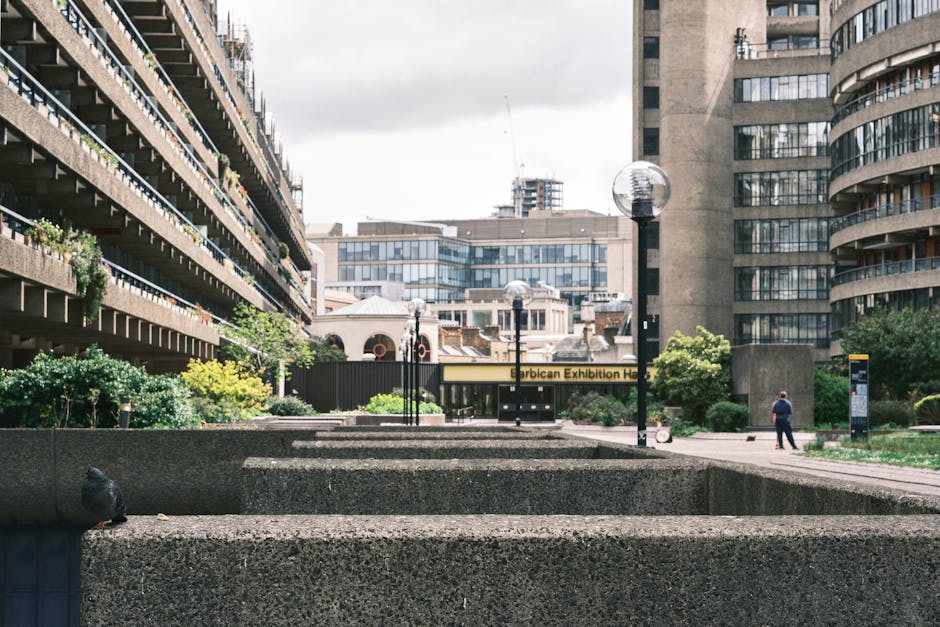
The Barbican area is not the kind of place where a rushed removals job works out well. There are pedestrian flows, service access restrictions, loading considerations, nearby businesses, and the general reality of moving in central London. If a relocation creates noise, blocks an entrance, or takes longer than planned, you feel it immediately. So do the people around you.
Venue-friendly removals matter because venues have a different rhythm from ordinary homes. A gallery move may need dust control and careful crate stacking. An office relocation might require staged transfers so staff can keep working. A performance space could involve oversized equipment, delicate surfaces, or time-sensitive handovers. The task is not just physical. It is operational.
In our experience, the people who plan well avoid the panic that creeps in when everyone realises the lift is too small or the van can't park where expected. You do not want to be making those discoveries at 7:30 on a wet weekday morning, with someone from the venue already glancing at their watch. Not ideal.
For many moves in EC2Y, a local service with strong route awareness and a practical approach to handling bulky items is the difference between a controlled shift and a stressful scramble. If you need a broader overview of service options, it can help to start with removals in Barbican and then narrow down to the specific venue requirements from there.
How Barbican Centre relocations: venue-friendly removals EC2Y Works
Venue-friendly removals are usually planned in layers. First comes the access check, then the item list, then the packing and loading plan, and only after that does the physical move begin. That order matters. Skipping straight to lifting almost always creates friction later.
A well-run Barbican relocation usually follows a process like this:
- Site review and access planning: Identify entrances, lifts, stairs, loading bays, narrow corridors, and any timing limits.
- Item categorisation: Separate fragile items, high-value items, bulky furniture, electronics, and anything that needs specialist handling.
- Packing strategy: Use the right materials for protection, labelling, and easy reassembly.
- Loading sequence: Pack the van in a sensible order so the right items come off first at destination.
- Transit and handover: Keep the route efficient and make sure the destination team is ready to receive everything.
The idea is simple enough, but the execution can be fiddly. For example, an item that looks easy to move can become awkward once you try to turn it through a narrow doorway. A piano, a display plinth, or even a long sofa often behaves differently in motion than it does in a room. If you have one of those awkward pieces, it is worth reading expert advice on the risks of moving a piano yourself before deciding whether to handle it alone.
The best venue moves are also calm. That sounds obvious, but calm is a genuine operational advantage. People communicate more clearly, fewer mistakes happen, and the day feels manageable rather than chaotic. A quiet, steady team often beats a rushed one. Every time.
Key Benefits and Practical Advantages
There are real benefits to using venue-friendly removals in EC2Y, and they go beyond convenience. Yes, it saves time. Yes, it reduces effort. But the deeper value is that it protects the functioning of the space itself.
| Benefit | What it means in practice | Why it matters at the Barbican |
|---|---|---|
| Reduced disruption | Moves are timed and staged around venue activity | Helps avoid clashes with visitors, staff, and scheduled use |
| Better item protection | Items are wrapped, padded, and loaded with care | Important for artwork, technical gear, and furniture |
| Safer handling | Heavy or awkward items are moved using proper equipment and technique | Reduces injury risk in tight, busy spaces |
| Cleaner handover | Rooms are left orderly and the receiving space is set up logically | Useful where time between one use and the next is short |
| Better scheduling control | Planning accounts for access windows and building constraints | Crucial in central London where timing matters |
There is also the less visible advantage of confidence. Once the move is planned properly, people stop guessing. Staff know where things are going, what needs protection, and who is handling what. That confidence can save hours. It also lowers tension, which honestly can be half the battle in a complex relocation.
For moves involving sofas, soft furnishings, or temporary storage between locations, it helps to think ahead about the next stage too. This is where long-term sofa storage tips and secure storage in Barbican can be useful if the timing between spaces does not line up neatly.
Who This Is For and When It Makes Sense
Not every move near the Barbican needs a fully staged venue relocation, but many do. The service makes the most sense when the item count is moderate to high, access is restricted, or the environment is sensitive to disruption. In plain English: if your move feels like it could get awkward, it probably will.
This type of removals support is especially relevant for:
- venues and cultural spaces relocating equipment or furniture
- offices moving between floors or across nearby EC2Y addresses
- film, creative, and event teams moving props or technical gear
- residents in flats who need a careful, access-aware move
- students or short-term renters needing a fast local solution
- anyone with heavy, fragile, or awkward furniture
If you are moving out of a flat, the logistics can be simpler on paper and still surprisingly messy in reality. Hallways are narrow, lift access is limited, and the difference between a smooth exit and a painful one may be ten minutes of planning. If that sounds familiar, take a look at flat removals in Barbican or, for larger households, house removals in Barbican.
This also makes sense for people who do not need a full crew but still want a reliable local vehicle and the right handling approach. A man and van service in Barbican or removal van in Barbican can be a practical middle ground for lighter but still careful moves.
Step-by-Step Guidance
Here is the part that saves most headaches: a sensible step-by-step plan. Nothing fancy. Just the stuff that keeps the day moving.
- Start with a room-by-room inventory. Write down what is going, what is staying, and what might need special handling. If you are guessing, slow down and check again.
- Measure access points. Door widths, lift size, stair turns, and ceiling clearances all matter. One missing measurement can change the whole plan.
- Separate fragile and high-value items early. Keep cables, small hardware, artwork, and documents in clearly labelled boxes.
- Choose packing materials to match the job. Bubble wrap is not magic. It helps, but the real win is the right box, the right padding, and sensible stacking.
- Build a loading order. Items needed first at the destination should be loaded last, or at least placed where they can be reached quickly.
- Assign responsibilities. One person answers access questions, another checks labels, and someone else confirms handover details. Too many cooks and all that.
- Protect floors and walls. Simple coverings can prevent scuffs in older or high-traffic venues.
- Do a final walk-through. Check cupboards, behind doors, under desks, and in storage corners. People forget things there all the time.
For packing help, a dedicated guide like packing hacks for a hassle-free house relocation can give you practical ideas you can adapt to a venue setting. And if the move includes equipment that needs a careful teardown and rebuild, it is wise to keep a simple photo record of cables, fittings, and shelf layouts. Your future self will thank you. Quietly, but still.
A useful shortcut is to think in terms of "move order" rather than "box count". What has to be out first? What must arrive first? What can wait? That question alone brings clarity.
Expert Tips for Better Results
Small improvements make a surprisingly big difference in venue removals. A move can look perfectly manageable and still go sideways because of one overlooked detail, like a badly packed box of fittings or a van arriving before access is ready.
- Use colour-coded labels. It speeds up placement and helps different teams recognise where things belong.
- Keep an essentials kit separate. Tape, scissors, gloves, markers, cloths, and spare bags should be easy to reach.
- Wrap surfaces before you move. Veneer, lacquer, glass, and polished metal all pick up marks faster than people expect.
- Don't overfill boxes. Heavy boxes slow everything down and can become unsafe to lift.
- Use proper lifting technique. If you are doing any manual handling, keep the load close and avoid twisting. If you want a refresher, the guide on lifting heavy objects independently is a useful read.
- Plan for bad weather. A wet London morning can change everything. Covers, mats, and quick loading matter more than people think.
Another tip, and this one is often missed: protect the destination as well as the origin. People focus so hard on getting things out that they forget the next room might have limited space for staging. If you are moving into a busy office or temporary venue setup, stage by zone, not by pile. It looks calmer and works better.
For staff-heavy relocations, it can also help to align the move with a broader operational reset. A clean-up, declutter, and re-pack can make the new space feel ready much faster. If that sounds useful, premove decluttering hacks are worth a look.
Common Mistakes to Avoid
The biggest mistakes in Barbican-area removals are rarely dramatic. They are small assumptions that pile up. One person assumes the lift is booked. Another assumes the van can stop nearby. Someone else assumes all boxes are already labelled. And then the day starts to wobble.
- Not checking access in advance. Never assume the route is straightforward, even if you know the building.
- Leaving packing too late. Rushed packing leads to damaged items and poor load planning.
- Underestimating heavy items. Weight, shape, and grip all matter. A bulky object can be awkward even if it is not especially heavy.
- Ignoring timing windows. In central London, a move that misses its slot can create knock-on delays.
- Using the wrong vehicle size. Too small means multiple trips; too big can make access more difficult than necessary.
- Forgetting disposal and recycling. Old packaging, broken fittings, and unwanted furniture need a plan.
Lets face it, a move is one of those jobs where optimism is not a strategy. You need a list, a route, and a practical sense of what can go wrong. That does not make the process gloomy. It makes it easier.
If any items are being discarded or replaced during the move, think about whether they should be reused, stored, or recycled responsibly. The page on recycling and sustainability is a sensible place to start if you want to keep the move tidy and a bit greener.
Tools, Resources and Recommendations
You do not need a warehouse full of kit to carry out a good venue relocation. You do, however, need the right basics. The right tool in the right moment often prevents the kind of damage that costs time later.
- Furniture blankets and corner protectors: For desks, shelving, cabinets, and display units.
- Heavy-duty tape and markers: For secure sealing and clear labelling.
- Box cutters and scissors: Keep them accessible, but safely stored.
- Trolleys and dollies: Especially useful for long corridors and repeated transfers.
- Straps and covers: Helpful for stabilising awkward items in transit.
- Inventory sheets: Old-fashioned maybe, but very effective.
There are also a few website resources worth keeping close while you plan. For service comparison and next steps, explore the full services overview and removal services in Barbican. If you need a more specialised move, the relevant options are there too, including piano removals in Barbican, office removals in Barbican, and furniture removals in Barbican.
For a smoother start, don't forget the simple support pages either. Packing and boxes in Barbican can help you get the materials side sorted, and pricing and quotes is useful when you want to understand your options before committing.
Law, Compliance, Standards, or Best Practice
Venue-friendly removals are not usually about complicated legal rules, but they do sit within a framework of UK best practice. At minimum, the move should be planned with health and safety in mind, especially where manual handling, public access, or building operations are involved.
Good practice normally includes:
- carrying out sensible risk checks before lifting heavy or awkward items
- using trained or competent handlers for specialist items where needed
- keeping routes clear and preventing trip hazards
- making sure insurance and liability expectations are understood in advance
- respecting building access conditions, booking procedures, and any site-specific instructions
It is also wise to review company policies if you are organising a move on behalf of an organisation. Pages like health and safety policy, insurance and safety, terms and conditions, and payment and security help set expectations clearly. That is boring admin, yes, but it prevents misunderstandings later.
If you are dealing with sensitive access, privacy, or operational concerns, the surrounding trust pages can also be reassuring. A quick look at about us gives context on the company, while complaints procedure and accessibility statement show how service and user needs are handled. Small thing? Maybe. But trust is built from small things.
Options, Methods, or Comparison Table
If you are deciding how to approach a Barbican relocation, it helps to compare the most common methods. The right choice depends on the item type, timeframe, and level of access available.
| Method | Best for | Strengths | Limitations |
|---|---|---|---|
| Self-managed move | Very small, simple relocations | Flexible, low coordination cost | Higher risk of delays, damage, and fatigue |
| Man and van | Light-to-moderate local moves | Efficient for short EC2Y journeys | May not suit specialist items or complex venue logistics |
| Full removals team | Office, venue, or larger household moves | Better planning, handling, and pace | Needs more lead time and coordination |
| Specialist item service | Pianos, oversized furniture, delicate equipment | Expert handling and protective equipment | Usually more specific planning required |
In practice, a blended approach often works best. A venue may use a full team for the main move, then a small van service for the final clean-up run. Or a flat move might use one careful team for furniture and a separate storage arrangement for overflow items. Flexible does not mean messy. It means choosing the right fit.
For more compact local support, man with a van in Barbican and same-day removals in Barbican can be helpful when timing is tight, though same-day work should still be planned as much as possible. Spontaneous is fine. Unprepared, less so.
Case Study or Real-World Example
Picture a small creative team moving from a shared workspace near the Barbican into a nearby EC2Y location. The job includes desks, task chairs, boxed files, a couple of large monitors, one awkward shelving unit, and a few fragile items that absolutely cannot take a knock. Nothing extreme, but enough to cause trouble if handled casually.
They start by listing items by room and marking what must be available first on arrival. The shelving is dismantled the day before. Cables are tied and labelled. Fragile items are boxed separately rather than mixed in with stationery and paperwork. The move window is confirmed with the building, and the loading order is arranged so desk parts come off first at the destination. Nothing glamorous. Just tidy planning.
On the day, the move is quicker than the team expected because no one is stopping to make decisions under pressure. A couple of items need a second person to guide them through a narrow corner, and one box is re-taped before loading because it has a weak base. That tiny fix probably saved a headache. Maybe more than one.
Afterwards, the space is left clean enough for the next use, and the team can get back to work the same day. If they had tried to improvise, the outcome would likely have been noisier, slower, and more expensive in hidden ways. The real lesson? A venue-friendly move is not about being overcautious. It is about being prepared enough that the day stays ordinary.
Practical Checklist
Use this simple checklist before any Barbican venue relocation. It is basic, but it works.
- Confirm the move date, timing, and building access arrangements
- Measure doors, lifts, stairwells, and any tight turning points
- Sort items into fragile, heavy, valuable, and general categories
- Book the right vehicle size for the job
- Gather packing materials and protective covers
- Label every box clearly with destination zone or room
- Disconnect and photograph electronics before dismantling
- Set aside tools, chargers, documents, and essentials separately
- Check whether storage is needed between locations
- Review insurance, safety, and any special handling needs
- Do a final walk-through of the old space
- Confirm the receiving area is ready for unloading
If you are leaving a space and want it ready for inspection, handover, or the next occupier, tips for leaving a home in immaculate condition can help you think about the final clean-up too. It is one of those small but satisfying finishing touches.
Expert summary: venue-friendly removals in EC2Y work best when access, timing, and handling are treated as one plan rather than three separate problems. Get those aligned and the rest becomes far more manageable.
Get a free quote today and see how much you can save.
Conclusion
Barbican relocations are rarely about brute force. They are about judgement, timing, and steady coordination in a part of London where space is at a premium and schedules are tight. Whether you are moving furniture, office kit, creative equipment, or a full venue setup, the aim is the same: keep the move controlled, respectful, and as disruption-free as possible.
That is what makes Barbican Centre relocations: venue-friendly removals EC2Y such a useful approach. It gives you a practical way to move without turning the day into a scramble. Plan well, pack smart, choose the right support, and don't leave the awkward bits until the last minute. A little structure goes a very long way.
And if the move feels bigger than the calendar or the floorplan allows, that is not a failure. It is just a sign to bring in the right help and make the day easier on everyone involved. Which, honestly, is the sensible thing to do.