Road closures & parking suspensions for Barbican moves
Posted on 02/06/2026
Road closures & parking suspensions for Barbican moves: a practical local guide
If you're planning a move in the Barbican, the biggest headache is often not the boxes, the stairs, or even the awkward sofa turn. It's the van access. Road closures & parking suspensions for Barbican moves can change everything about your moving day: where the vehicle can stop, how long loading will take, whether you need extra help, and how much stress you'll carry around before breakfast. In a tight EC2 neighbourhood, a small access issue can snowball fast.
This guide breaks down what those restrictions actually mean, why they matter so much in the Barbican, and how to plan around them without turning the day into a scramble. You'll also find a step-by-step approach, common mistakes to avoid, and a few local-useful pointers that help whether you're moving a flat, an office, or a delicate item like a piano.
To make the move smoother from the start, it also helps to think about packing, lifting, and furniture preparation early. If you haven't done that yet, a few practical resources such as packing hacks for a hassle-free house relocation and pre-move decluttering hacks can save space and time before the van even arrives.

Why Road closures & parking suspensions for Barbican moves Matters
In Barbican and the surrounding EC1/EC2 streets, moving day is often dictated by access, not distance. A route that looks fine on paper can become awkward in real life: a suspended bay outside the entrance, a lane blocked by works, a delivery window that vanishes because another vehicle is already loading. When that happens, the move slows down, costs rise, and everyone ends up doing a lot more walking than they expected.
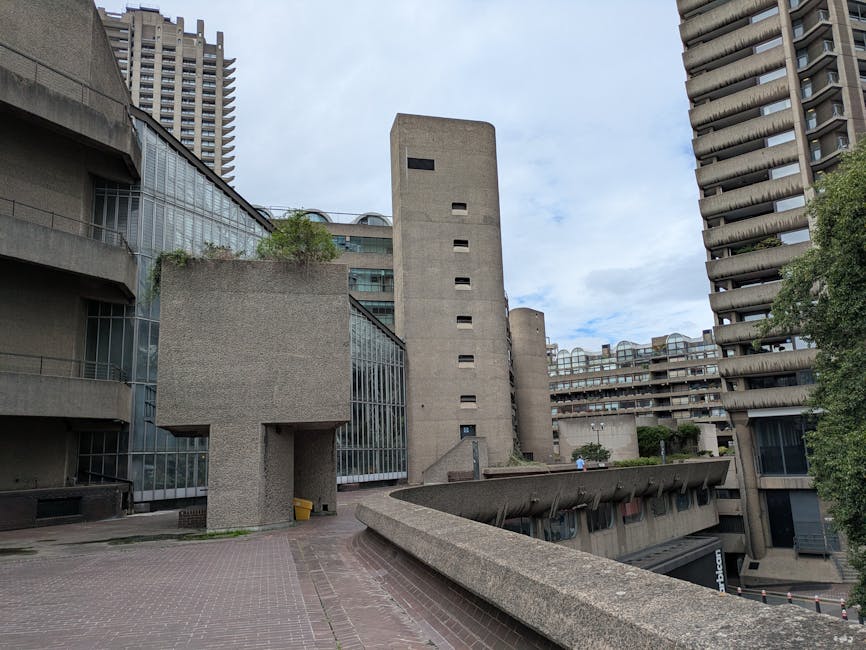
The Barbican itself brings its own quirks. Estate layouts, narrow approaches, service areas, shared pedestrian routes, and busy surrounding roads can make parking feel like a puzzle. That matters whether you're moving out of a flat, bringing items into an office, or handling a specialist job such as a piano move. If the vehicle can't stop near the entrance, the crew may need to use trolleys, carry items farther, or split the move into more trips.
And yes, sometimes the difference is only a few metres. But a few metres with a wardrobe, a mattress, or a heavy box up a slight slope is not nothing. Let's be honest, that's where the day starts to bite.
Good planning around road restrictions also supports safer handling. The shorter the carry distance, the less chance of scraping walls, twisting awkwardly, or setting down fragile items in a rush. For awkward lifting and load control, it can be worth reading this guide to lifting heavy objects independently and the basics of kinetic lifting so you're not improvising under pressure.
How Road closures & parking suspensions for Barbican moves Works
At a practical level, road closures and parking suspensions affect where a removals vehicle can legally stop, wait, load, and unload. In London, these restrictions can be temporary or time-specific, and they may apply for events, construction, street works, servicing, or local access management. The key point is simple: if a bay or road segment is suspended, you cannot assume the van can just pause there "for five minutes".
For a Barbican move, the planning usually follows a few stages:
- Check the moving date against local restrictions. Some days are busier than others, and some hours are much easier than others.
- Identify where the vehicle can stop safely and legally. This may be a loading bay, a nearby side street, or a pre-arranged access point.
- Allow for walking distance. If the vehicle is not right outside, plan for extra carry time and more hands if needed.
- Adjust the job size. A larger move may need a bigger van, more movers, or two visits if access is tight.
- Keep a backup plan. If the first stopping point is unavailable, know the next best option before the team arrives.
That sounds straightforward, but in the real world, it's often the missing detail that causes the problem. A street closure may not affect the entire area, just one approach. A parking suspension may begin earlier than the team expected. A venue event nearby can change traffic patterns at the last minute. If you've ever watched a van inch around a corner only to find the kerbside blocked, you'll know the feeling. It's a bit of a groan-and-reset moment.
The best removals plans treat road access as part of the move, not an afterthought. That is especially true for services such as man with a van in Barbican, removal van support, or broader removal services in Barbican, where timing and kerbside position can make a noticeable difference to the whole job.
Key Benefits and Practical Advantages
Handling road closures and parking suspensions properly is not just about avoiding fines or awkward conversations. It makes the move calmer, faster, and more predictable. And in a dense local area, predictability is gold.
- Less waiting time. When access is planned, the crew can start unloading rather than hunting for space.
- Lower risk of damage. Shorter carries reduce the chance of scuffs, knocks, and dropped items.
- Better time management. You can book lifts, handovers, cleaners, and keys with more confidence.
- Fewer last-minute surprises. A backup route or stopping point prevents panic if one bay is unavailable.
- Improved safety. The team can move steadily instead of rushing across a longer distance with heavy items.
There's also a commercial upside if you're hiring help. When access is sorted, the move is easier to price accurately. That means fewer awkward add-ons on the day and fewer delays that drag everything out. If you're comparing options, you may also find it useful to review pricing and quotes information alongside your access plan, because the access arrangement and the vehicle plan go hand in hand.
For bigger or more time-sensitive relocations, especially in the city, planning access can be the difference between a tidy, controlled job and a messy one. Not dramatic. Just smoother. And frankly, smoother is what most people want.
Who This Is For and When It Makes Sense
This topic matters to almost anyone moving in Barbican, but it is especially relevant if your move involves limited access, bulky furniture, or a narrow loading window.
It makes sense if you are:
- moving out of or into a Barbican flat
- relocating an office in the area
- booking a same-day or short-notice move
- moving a piano, large sofa, bed, or appliance
- dealing with an estate layout or shared access route
- trying to fit a move around building management rules or timed access
It also makes sense if you simply want less stress. Truth be told, many people only think about parking once the van has already arrived. That's usually when the stress starts. If you're moving from a flat with stairs, an older building entrance, or a courtyard with limited stopping space, access planning becomes more than useful; it becomes essential. You may even benefit from reading our Golden Lane Estate flat removal guide or these Aldersgate Street move tips if your move sits in one of those tighter local pockets.
For students, first-time renters, and smaller households, the issue is often underestimating how quickly a few boxes turn into multiple awkward trips. For offices, the problem is usually different: there's more furniture, more people, and less room for error. In either case, local access needs to be thought through early.
Step-by-Step Guidance
Here is a clean way to approach road closures & parking suspensions for a Barbican move without overcomplicating things.
- Confirm your moving date and time window. Work out the actual loading and unloading period, not just the date.
- Assess the access points. Look at the entrance, nearby bays, turning space, and any likely pinch points.
- Think about vehicle size. A bigger van may reduce trips, but it may also be harder to position near the property.
- Plan the carry route. Map the route from van to door, including steps, lifts, corners, and any tight turns.
- Pack strategically. Put heavy and fragile items where they are easiest to access. A box buried under eight others is always the one you need first.
- Prepare permits or building approvals if needed. If your property management or access team has requirements, handle them before moving day.
- Build in buffer time. A few extra minutes matter when traffic, access, or loading space changes unexpectedly.
- Keep communication open. Make sure the driver, movers, and property contact all know the plan.
A useful habit is to treat the first 15 minutes of the move as your "settling in" period. You check the vehicle position, confirm the route, and spot any problems before they become annoying problems. Small thing, big payoff.
If you're still in the packing stage, it's worth pairing access planning with packing and boxes support and some of the advice in packing hacks for a hassle-free house relocation. Good packing can shave minutes off every carry. That adds up.
Expert Tips for Better Results
In our experience, the best move days usually come from unglamorous planning. Nothing flashy. Just lots of small sensible decisions made before the van turns up.
Use these practical tips:
- Book the earliest sensible slot. In busy parts of London, earlier often means calmer roads and fewer competing vehicles.
- Choose the right van size. If access is limited, the biggest van is not always the smartest van.
- Stage items near the exit. The less clutter between the front door and the load area, the better.
- Protect the route inside the property. Door frames and corners are the usual casualties of a rushed move.
- Keep delicate items separate. Mirrors, lamps, and screens do not belong in the "we'll sort it later" pile.
- Have one person manage the route. Too many people giving directions from the doorway is... not ideal.
One small but valuable tip: if a parking suspension means the van is further away than expected, pre-sort the first wave of items by priority. Essentials first, awkward items later. You do not want to carry a kettle, a desk chair, and a flat-pack bookshelf in the wrong order while trying to answer the buzz at the door.
If you are moving furniture that needs special handling, explore the relevant guidance first. Furniture removals in Barbican can be a better fit than a general-load approach, while a dedicated piano removal service can reduce the risk of damage when access is awkward. For fragile or bulky seating, sofa storage and handling tips can also be useful if the item needs to be held temporarily.
Common Mistakes to Avoid
A lot of access problems are avoidable. Not all, obviously. Barbican can be a bit of a moving-day chessboard. But many issues come from the same handful of mistakes.
- Assuming parking will be available. Never treat kerb space as guaranteed.
- Ignoring time limits on suspensions. A bay available at 8:00 is not the same as one available at 10:00.
- Underestimating carry distance. Ten metres feels short until you're carrying a wardrobe box.
- Booking too many people without a plan. More hands are good, but only if everyone knows the route and sequence.
- Forgetting building access rules. Lifts, loading areas, and entry permissions can slow things down quickly.
- Packing in a way that wastes time. If the essentials are mixed with everything else, the loading order becomes chaos.
Another common one: people think a same-day move will magically fix access problems. It won't. A fast response is helpful, of course, and same-day removals in Barbican can be a lifesaver in the right situation, but even urgent moves still need parking and road access to be thought through. Same-day does not mean no-planning. Sadly.
One more thing. Don't leave it until moving morning to realise the van can't stop where you imagined. That is the sort of discovery best avoided before coffee.
Tools, Resources and Recommendations
You do not need a mountain of equipment to manage road closures & parking suspensions for Barbican moves well. But a few practical tools can help a lot.
Useful items to have on hand:
- mobile phone with full charge
- printed move plan or written notes
- torch for dim early-morning or late-evening access
- trolley or sack barrow where appropriate
- blankets and protective wrap for furniture
- labels or coloured tape for priority boxes
- contact details for property management or access support
For bigger house or flat moves, your best resources are often the pages that help you understand the whole process, not just the van arrival. Flat removals Barbican is useful if your move is apartment-based, while house removals Barbican can help when the load is larger and time matters. If you need a broader view of what support is available, services overview and removals in Barbican are sensible places to start.
For temporary overflow, especially if road access is tight or you need to stage items, storage in Barbican can reduce pressure and make the move less rushed. That can be a real relief when the building timetable is strict or the street is busy.
Law, Compliance, Standards, or Best Practice
Moving in London means working within local parking, loading, and road-use restrictions. The exact rules can vary by street, time, and purpose, so it is sensible to treat access and parking as a compliance issue, not just a convenience issue. In plain English: if a bay is suspended or a road is closed, assume it is unavailable unless you have checked otherwise through the proper local route.
Best practice usually includes:
- checking restrictions well before moving day
- allowing enough time for loading and unloading
- keeping vehicles out of prohibited areas
- protecting pedestrians and building users during the move
- making sure crew members know the safe carry route
- following the property's access rules and any relevant building procedures
Health and safety matters too. For heavier items, poor lifting technique or rushed carrying can lead to preventable injuries. If you want a more practical look at safe handling and team planning, the company's health and safety policy and insurance and safety information are worth reviewing. They're the sort of pages most people skip until the day they really need them.
There's also a wider duty of care around working responsibly, respecting shared spaces, and leaving the route clear for residents and businesses. That sounds obvious, but during a move it's easy to forget. A good team keeps the street tidy, the access organised, and the whole thing as unobtrusive as possible.
Options, Methods, or Comparison Table
There is more than one way to handle a Barbican move when access is restricted. The best choice depends on the property, the load, and the street conditions on the day.
| Method | Best for | Pros | Trade-offs |
|---|---|---|---|
| Direct kerbside loading | Quiet streets with available stopping space | Fastest carry, simplest workflow | Only works if space is actually available |
| Short off-street carry | Nearby side roads or shared access points | Flexible and often realistic in Barbican | Needs trolleys, planning, and more coordination |
| Staged loading with multiple trips | Smaller vans or difficult access times | Can fit awkward routes | Slower and more labour-intensive |
| Split move with temporary storage | Complex moves or strict access windows | Reduces pressure on the main day | Extra coordination and possible storage costs |
In practice, many Barbican moves use a mix of these methods. A flat move might start with short off-street loading, then switch to a staged load if the bay becomes unavailable. A piano move may need a very controlled direct approach, while an office relocation might benefit from splitting the work across a quieter time slot.
If you are unsure, it is often better to choose the method that is slightly slower but more reliable. Fast and messy is not a great trade. Nobody enjoys that one.
Case Study or Real-World Example
Here's a realistic local scenario. A couple moving out of a Barbican flat booked a mid-morning move and assumed the van could stop just outside the building entrance. On the day, a short parking suspension and nearby service activity meant that exact spot was unavailable. Nothing dramatic, just enough to change the plan.
Instead of panicking, the crew used a nearby legal stopping point, loaded the most fragile items first, and kept the heavier furniture for the second phase once the route was clear. The couple had already decluttered and pre-packed, so the load was tidy and easy to prioritise. The move took a little longer than they first expected, but there was no damage, no rushed carrying, and no need to squeeze items through a bad route.
That's the real lesson. The problem was not the road closure itself. It was whether the move plan could absorb it. Because it could, the day stayed manageable. A bit inconvenient, yes. But still under control.
If the items had included a large bed or a family piano, the outcome would have depended even more on preparation. For those situations, specialist reading like safe bed and mattress moving advice and the risks of moving a piano yourself can help you judge whether to manage it yourself or bring in proper support.
Practical Checklist
Use this simple checklist in the days before the move. It's not fancy, but it works.
- Confirm the moving date, time, and access window
- Check for road closures, parking suspensions, and loading restrictions
- Agree the van stopping point and backup stopping point
- Tell the movers about stairs, lifts, and route pinch points
- Pack and label boxes by priority
- Protect floors, corners, and door frames where needed
- Set aside fragile, valuable, and heavy items separately
- Make sure phones are charged and key contacts are ready
- Review building access rules and entry instructions
- Build in a buffer for delays. Always a buffer, if you can
If you are moving mixed household items and still have to live around them for a few days, you may also want to look at steps to storing a freezer for maximum efficiency or long-term sofa storage tips depending on what needs to be kept safe between properties.
Expert summary: the smoothest Barbican moves are rarely the ones with perfect conditions; they are the ones with a flexible plan, sensible packing, and a realistic view of access. If the road is blocked or the bay is suspended, a good plan simply bends instead of breaking.
Conclusion
Road closures & parking suspensions for Barbican moves are one of those details that can feel small right up until they completely shape the day. Once you factor them in early, though, everything becomes easier: loading is calmer, the van position makes sense, the crew wastes less time, and the move feels far less like guesswork.
That is especially true in the Barbican, where the local layout rewards preparation. Whether you are moving a studio flat, a family home, an office, or a delicate item that needs specialist handling, access planning is not extra admin. It's part of the move itself. Get that right and the rest tends to fall into place more naturally. Bit by bit.
Get a free quote today and see how much you can save.
And if you want support from a team that understands the realities of local access, stairs, timing, and tight London streets, take your next step with confidence. The move may be complicated, but it does not have to feel heavy.